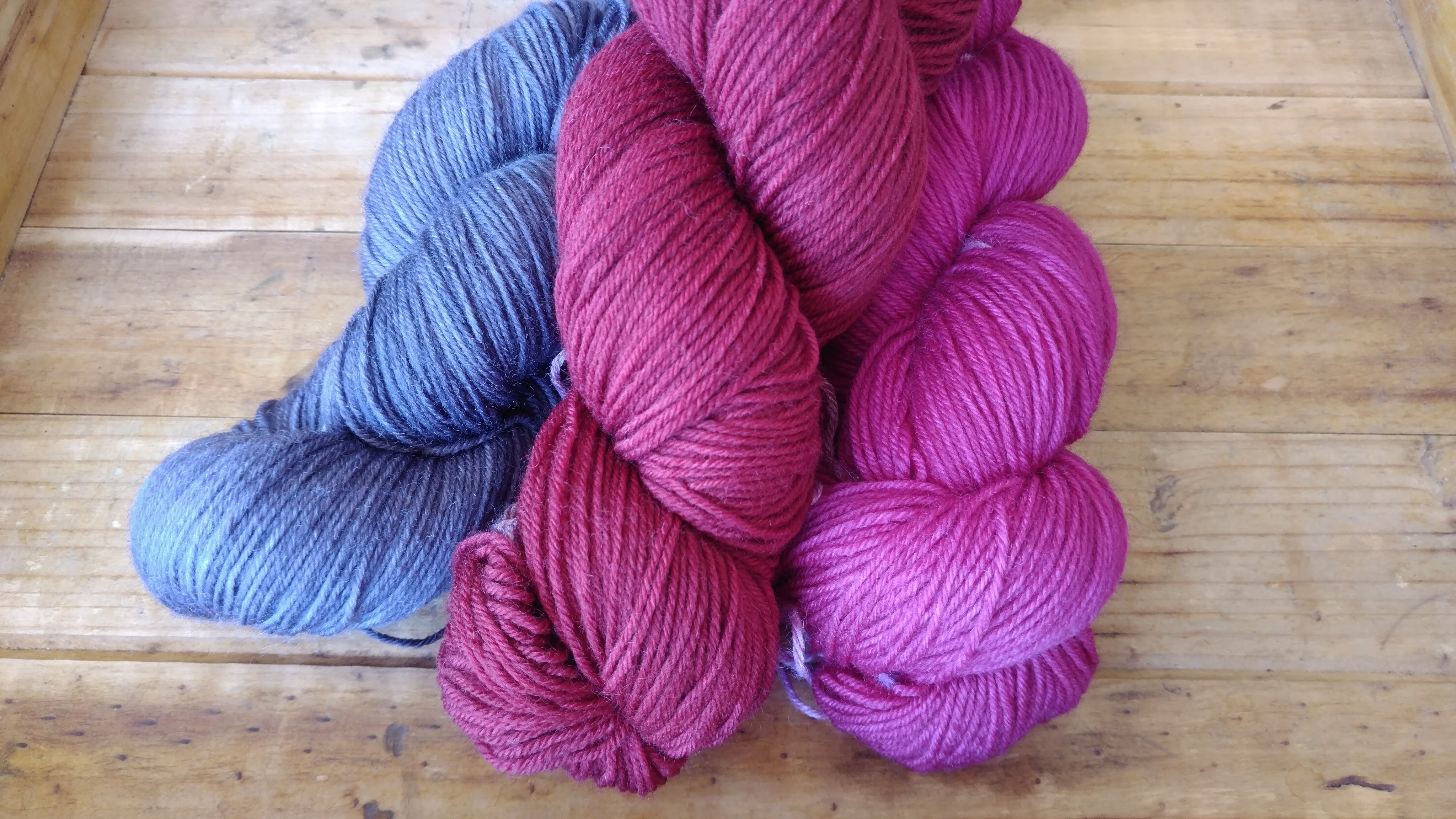
Have you heard that you can make dyes from used tea bags and coffee grinds? And black beans too, what about purple carrots? The more you look the more things you find that will produce a dye. So I’ve been experimenting dyeing my yarns with botanical dyes of late, and one of my favourites is made from a lichen I found growing in my local area. I’ve been told about lichen by other indie dyers and have googled the crap out of it so trying lichen dyeing has been on my list for quite a while. But first things first, finding the lichen.

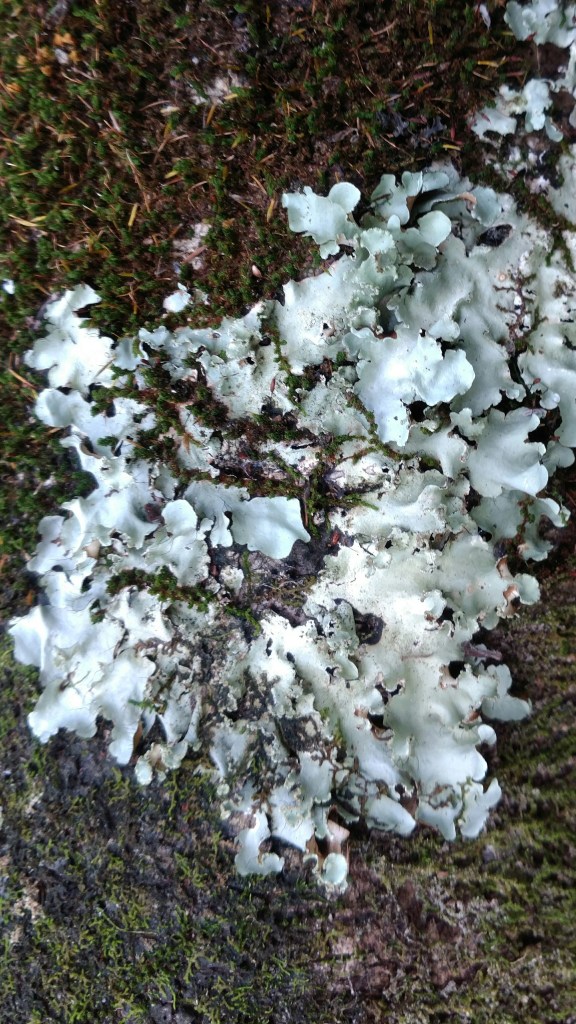

There are many different lichens and not all will produce a dye, so the best types of lichens to collect are either foliose or fruticose types. Foliose lichen are a frilly variety that grow on tree bark, they are usually disk shaped and the frilly edges can be easily pulled away from the bark. It is best practice not to remove the entire specimen, as taking only the edges will allow the lichen to regrow. Fruticose lichens are a beardy looking specimen and will grow on tree bark, rocks and dead wood. They look a bit like coral and can be flat leafed or tubular. The foliose lichens will produce dye colours from pinks to purples, while the fruticose more browns or tans. So get out for a nice walk, take a collecting bag and keep your eyes pealed.
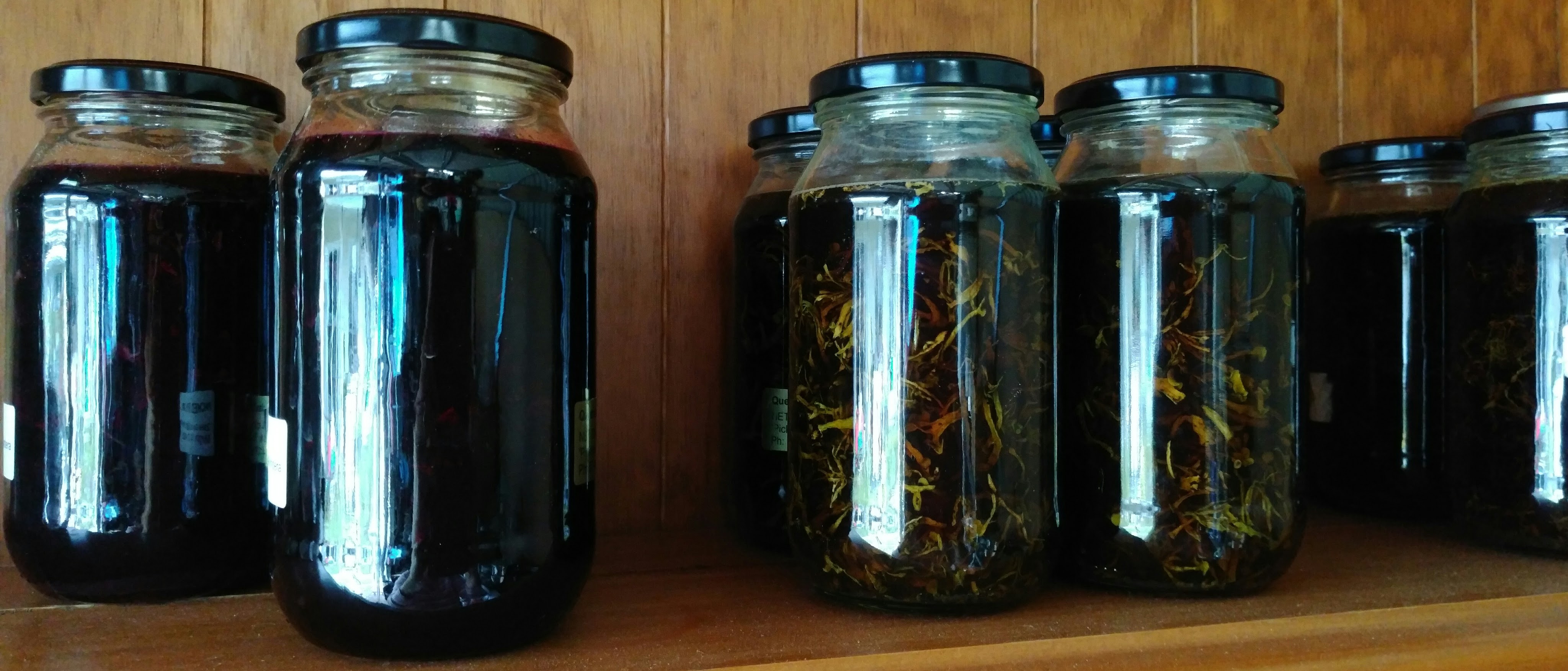
So you’ve collected some lichen, now what? Now you need to make the dye, and separating the lichen by type is a good way to ensure a individual colour. Now go to that cupboard in your kitchen where you are hoarding all your old jars (I know you know which cupboard I mean) because now we need to extract the dye. You will also need some ammonia and some water to make the extracting solution. The solution I use is 70/30 water/ammonia and after you add the lichen to the jar add enough of the solution to cover the contents. Now you need to cure your lichen dye, yep that means leaving it alone for about 2-3 months. A good practice is to label the jar, I would use the word TOXIC as a headline and then the type of lichen you added as well as the start date. While the dye is curing, you want to give it a shake every so often, as well as removing the lid to give it an airing (don’t asphyxiate yourself, a few seconds is enough). So put your dyes in the back of the laundry cupboard and wait for that liquid gold to cure.

Finally, a few facts about lichen you might not know. Lichens are a symbiotic partnership between a fungi and an algae, with the fungi as the dominant life form which provides the structure for the lichen, while the algae produces the food source via photosynthesis. Lichens can reproduce asexually, with some types producing spores, while other lichen can reproduce from vegetative dispersal. Some lichens are called mosses, but not all mosses are lichens. If you have lichen growing in your neighbourhood then the chances are you have very low levels of air pollution, so remember when you see lichen growing to take a deep breath and appreciate that lovely clean air.

 Catherine Hunt - Fibre Artisan